Principles of usability

UX Design

About this lesson

User experience or UX design is vital to ensure that a product, service or system is user-friendly. In this course, we will cover basic UX design principles to maximize usability in web and mobile projects.

Good UX design is based on the principles of Simplicity, Consistency, Understandability, Feedback and Accessibility. These principles guide us to meet users' needs and provide a positive user experience.
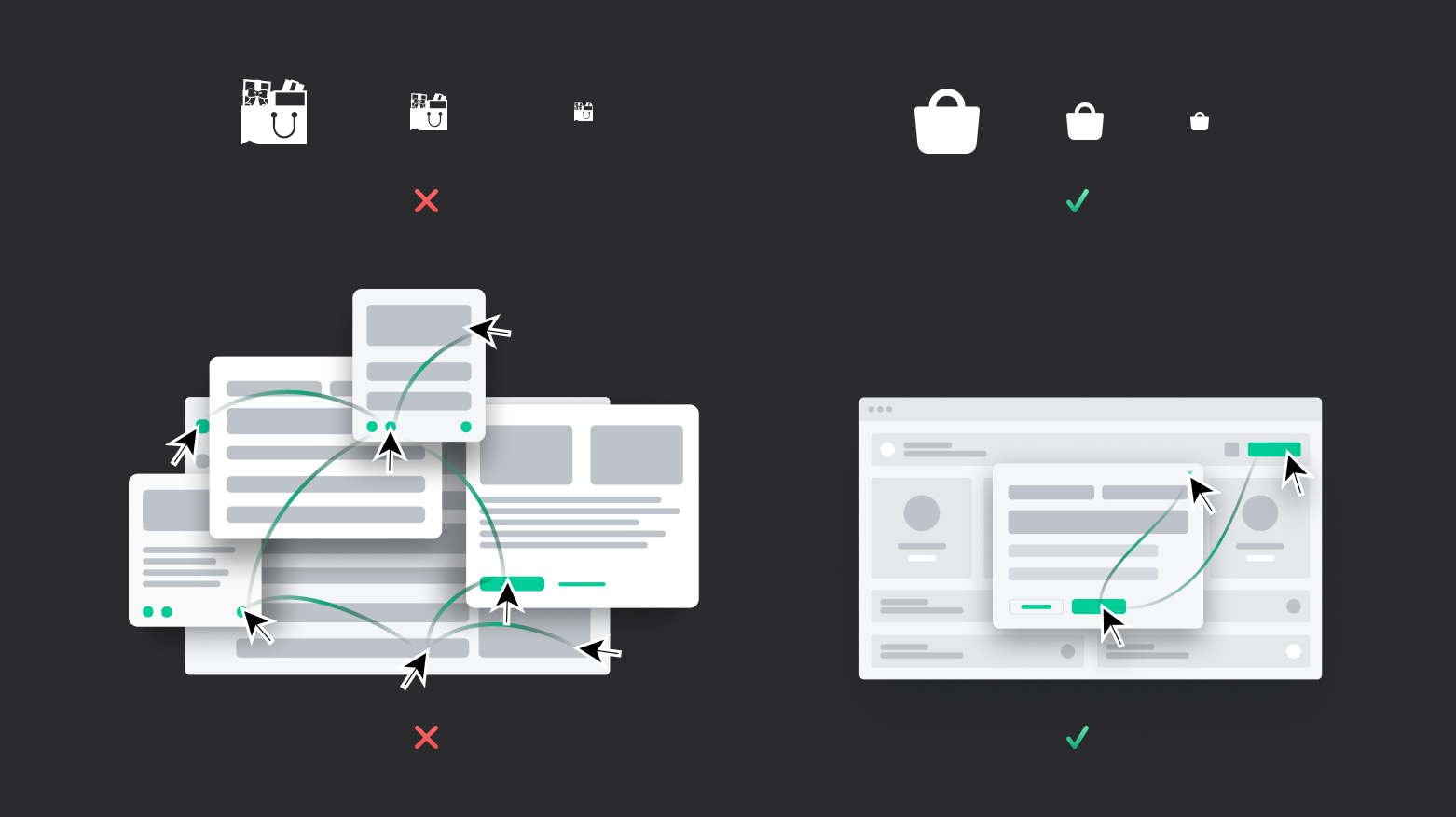
Simplicity allows the user to achieve their goals quickly. By removing unnecessary elements and providing only the necessary functions, we facilitate the users' decision-making process.
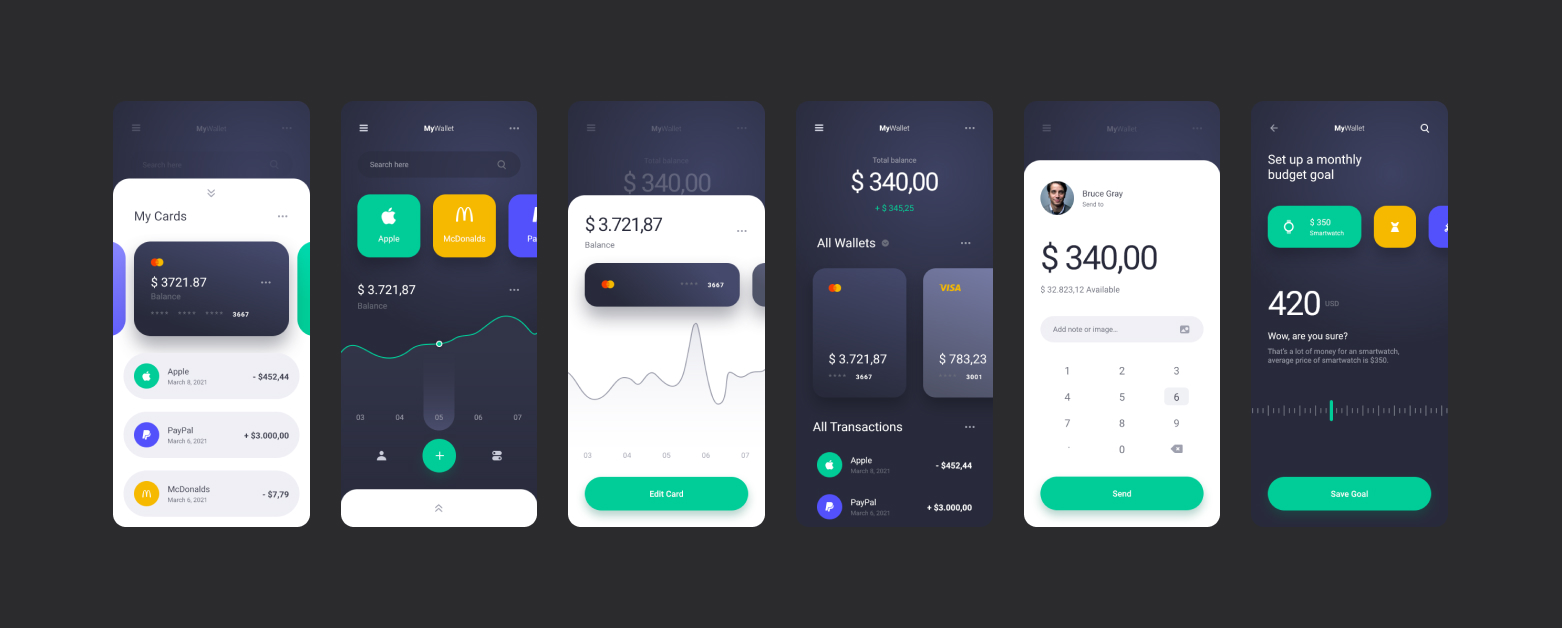
Consistency allows users to easily navigate between different screens and features. This speeds up the learning process and reduces user error.
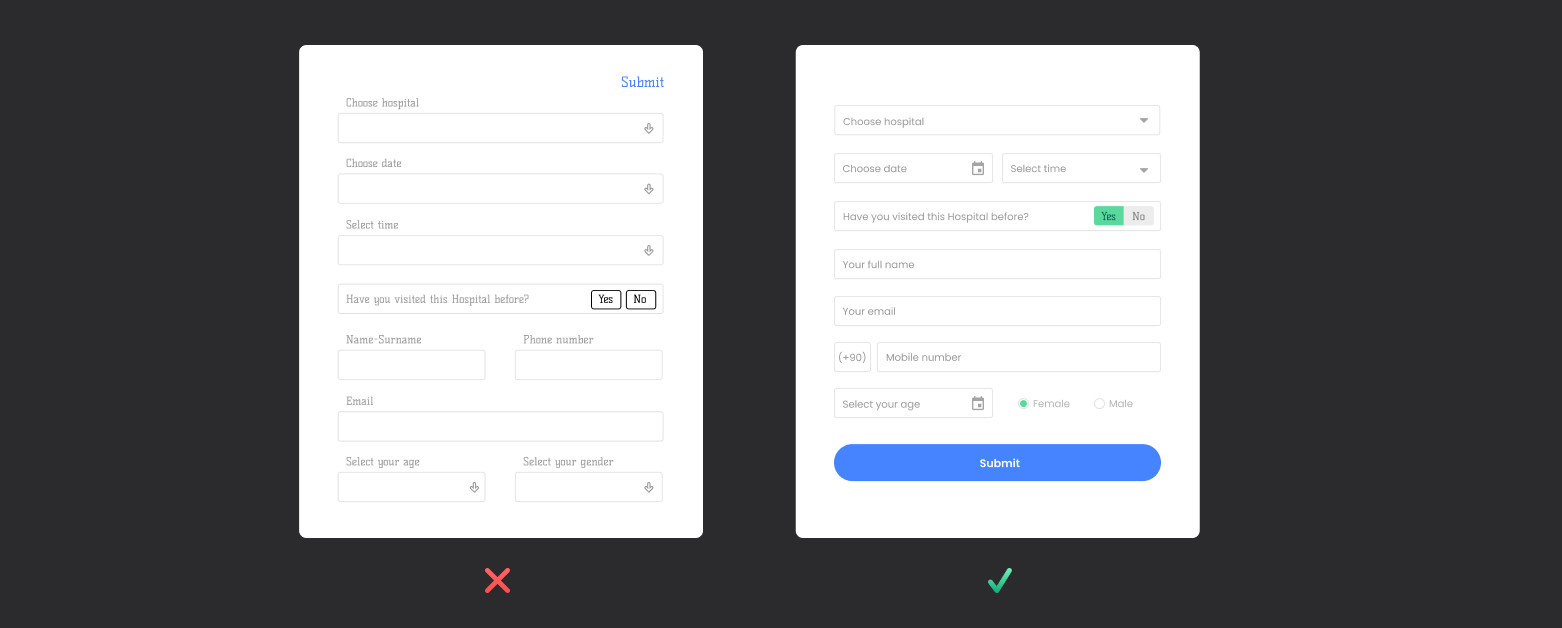
Clarity ensures that the design is easily understood by the user. Clear labels, familiar icons and intuitive navigation increase user confidence.
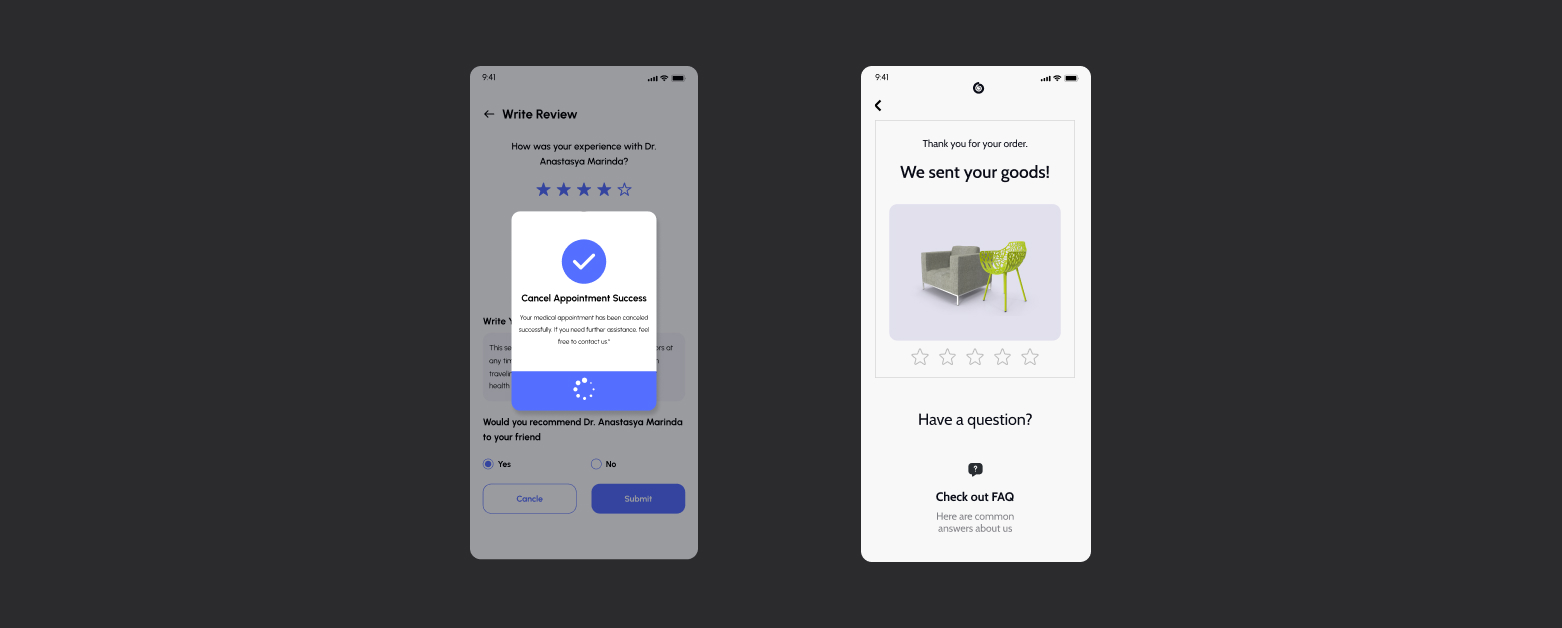
Feedback responds immediately to user actions. This allows the user to understand and interact with the system, creating a more effective experience.

Accessibility aims to meet the needs of all users. Features such as color contrast, text size and voice commands ensure that everyone can comfortably use the product or service.

These core usability principles are the keys to creating great user experiences in web and mobile projects. With a user-centered approach, we can create effective and memorable experiences.

Heading 1

Heading 2

Heading 3

Heading 4

Heading 5
Heading 6

Lorem ipsum dolor sit amet, consectetur adipiscing elit, sed do eiusmod tempor incididunt ut labore et dolore magna aliqua. Ut enim ad minim veniam, quis nostrud exercitation ullamco laboris nisi ut aliquip ex ea commodo consequat. Duis aute irure dolor in reprehenderit in voluptate velit esse cillum dolore eu fugiat nulla pariatur.

Block quote

Ordered list

  1. Item 1
  2. Item 2
  3. Item 3

Unordered list

  • Item A
  • Item B
  • Item C

Text link

Bold text

Emphasis

Superscript

Subscript

User experience or UX design is vital to ensure that a product, service or system is user-friendly. In this course, we will cover basic UX design principles to maximize usability in web and mobile projects.

Good UX design is based on the principles of Simplicity, Consistency, Understandability, Feedback and Accessibility. These principles guide us to meet users' needs and provide a positive user experience.

Simplicity allows the user to achieve their goals quickly. By removing unnecessary elements and providing only the necessary functions, we facilitate the users' decision-making process.

Consistency allows users to easily navigate between different screens and features. This speeds up the learning process and reduces user error.

Clarity ensures that the design is easily understood by the user. Clear labels, familiar icons and intuitive navigation increase user confidence.

Feedback responds immediately to user actions. This allows the user to understand and interact with the system, creating a more effective experience.

Accessibility aims to meet the needs of all users. Features such as color contrast, text size and voice commands ensure that everyone can comfortably use the product or service.

These core usability principles are the keys to creating great user experiences in web and mobile projects. With a user-centered approach, we can create effective and memorable experiences.

User experience or UX design is vital to ensure that a product, service or system is user-friendly. In this course, we will cover basic UX design principles to maximize usability in web and mobile projects.

Good UX design is based on the principles of Simplicity, Consistency, Understandability, Feedback and Accessibility. These principles guide us to meet users' needs and provide a positive user experience.

Simplicity allows the user to achieve their goals quickly. By removing unnecessary elements and providing only the necessary functions, we facilitate the users' decision-making process.

Consistency allows users to easily navigate between different screens and features. This speeds up the learning process and reduces user error.

Clarity ensures that the design is easily understood by the user. Clear labels, familiar icons and intuitive navigation increase user confidence.

Feedback responds immediately to user actions. This allows the user to understand and interact with the system, creating a more effective experience.

Accessibility aims to meet the needs of all users. Features such as color contrast, text size and voice commands ensure that everyone can comfortably use the product or service.

These core usability principles are the keys to creating great user experiences in web and mobile projects. With a user-centered approach, we can create effective and memorable experiences.

Files

No items found.

Sources

No items found.

Glossary

Assignment

E-Posta Tasarımı
Email Builder Basics
Using Email Templates
New Email Design
Introduction to Mobile Interface Design
Tabbar Menu Design
Dashboard Screen Design
Form Screen Design
Listing Screen Design
Detail Screen Design
Mobile UI Prototyping
Web UI Prototyping
Working with Actions
Working with Navigations
Screen Display Types
Web App Prototyping
Add Notify
Preview
Introduction to Web Interface Design
Introduction to Registration Screen Design
Preparation of Header Design
Working with Master Screens
Menu Design
Dashboard Screen Design
Listing Screen Design
Form Screen Design
Display Screen Design
Elements
Container Elements
Date and Time Input Elements
Display Elements
Text Input Elements
Numeric Input Elements
Select Input Elements
Data Elements
Navigation Elements
Interactive Elements
Chart Elementler
Introduction to Interface Design in Kuika
User experience on the Kuika platform
The Application Interface Design Process
Working with Color
Definition of paddings
Working with Font Styles
Working with complex styles
Working with Mock Data
Concept Design
Wireframe: visualization of the first idea
Preparation of Concept Design
UX Design
Principles of usability
Basic design Principles
Information architecture
Screen Flow
Analysis and Planning
Defining the project scope and objectives
Reading the analysis document
Reading the example flow chart and defining the requirements
Planning of the project
Introduction to Designer Training Kit
What is Low-code?
What is Kuika?
What can be done with Kuika?
Let's examine the platform interface
Understanding the learning process‍