User Manual

Web View

30/6/25
Web View

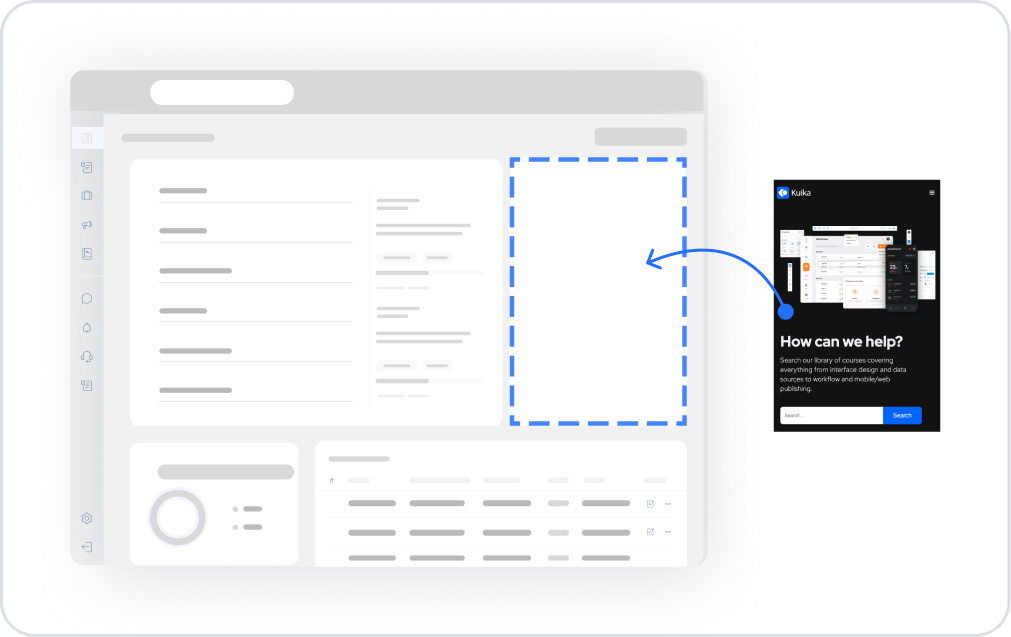
Kuika's Web View element allows you to display web content directly in your application. The Web View element is ideal for a variety of use cases such as presenting information, form filling or displaying dynamic content. In this tutorial, you will learn how to add the Web View element and configure its settings.

The Web View element is supported in web and mobile applications.

This training content consists of the following topics:

  • Adding a Web View element
  • Web View element properties
  • Element settings and customization

Add Web View Element

  1. Log in to the Kuika platform.
  2. Select the project you will work on from the Apps screen.
  3. Enter the UI Design module.
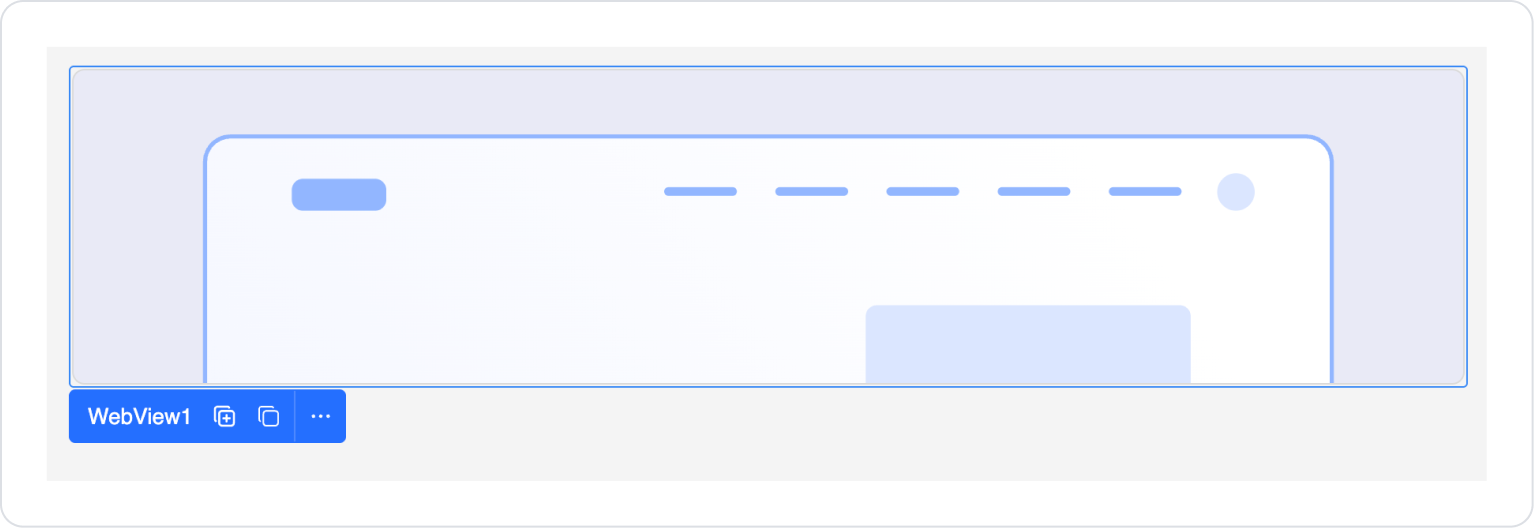
  1. From the Elements panel on the left side, drag the Web View element under the Special category and drop it on your screen.
  • If you drag the Web View element to an empty space, it will be automatically added inside a Row element.
  • If you drag it into a Column, only the Web View element is added.

Web View Element Properties

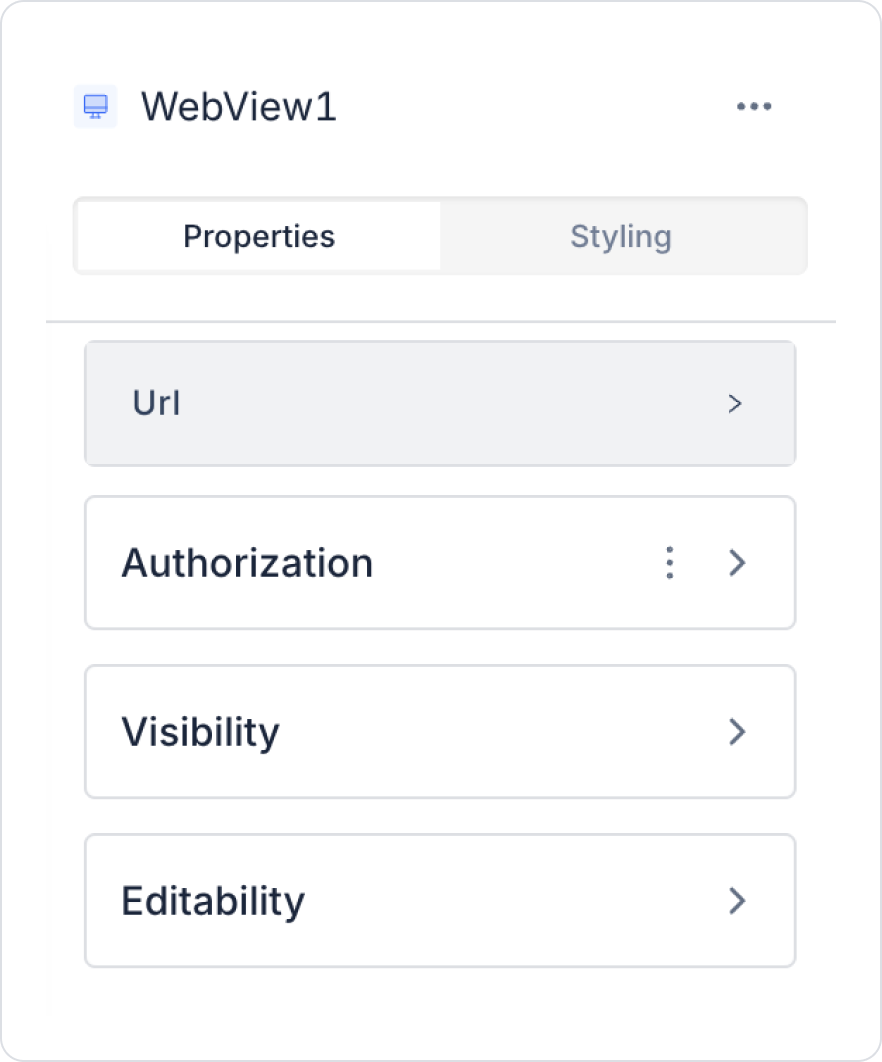
You can configure the properties of the Web View element in the Properties panel on the right sidebar.

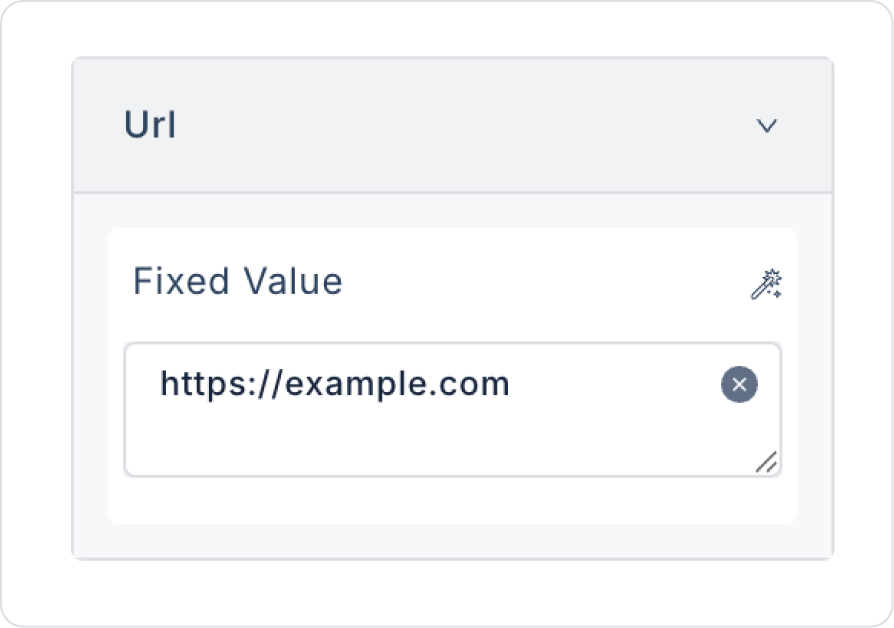
  • URL: You can enter the URL of the web page to be displayed statically or assign a dynamic value using Symbol Picker.

The Web View element enhances the user experience by allowing users to access external links from within the application.

Element Settings and Customization

Authorization

To manage access control at the element level, you can use the Authorization section in the Properties panel.

Access Types

Anonymous

Allows all users to view the element without logging in.

Restricted

Restricts access to only verified users or specific roles.

  • Everyone: When enabled, all logged-in users can access the element.
  • Roles: The roles allowed to access the element are selected here. To edit the role list, click the gear (⚙️) icon next to the Roles field to open the Role Management window. From this window, you can add new roles, create folders, or manage existing roles.

Unauthorized Behavior (Hide / Disable)

If the user does not have the required role, you can specify how the element should behave in the Choose field:

  • Hide: If the user is not authorized, the element is completely hidden and does not appear on the screen.
  • Disable: The element remains visible but becomes unclickable / unusable.

This setting is used to manage how unauthorized users encounter the element.

Visibility

  • Always Visible: Element is always visible.
  • Hidden: Element is hidden.
  • Sometimes Visible: The element is visible depending on a specific condition.

To configure the setting:

  1. Select the element on the screen.
  2. Open the Properties panel on the right edge.
  3. In the Visibility field, select an option according to your needs.

Editability

  • Enabled: Elements can be edited.
  • Disabled: Element cannot be edited.
  • Sometimes Enabled: The element can be edited or uneditable according to certain conditions.

Interface Design with Style Panel

By customizing your elements with the Styling Panel, you can create impressive interfaces for your web and mobile applications. In this section, you can configure the following settings:

  • Layout: Sizing, alignment and padding settings. Settings include Size, Min Size and Align.
  • Text: Font, style, color, size and spacing settings.
  • Fill: Customize the background with color or images.
  • Border: Add borders and corner radius settings.
  • Shadow: Add a shadow effect to add depth to elements.

By following these steps, you can configure the Area Chart element to suit your needs.

Other Related Content

No items found.

Glossary

No items found.

Alt Başlıklar